
Ключевые слова
медиология
Режи Дебре
конспирология
русские народные сказки
Царевна-лягушка
Хозяйка Медной горы
Змей Горыныч
российская анимация
патриотическое воспитание
идеология
Как цитировать
Аннотация
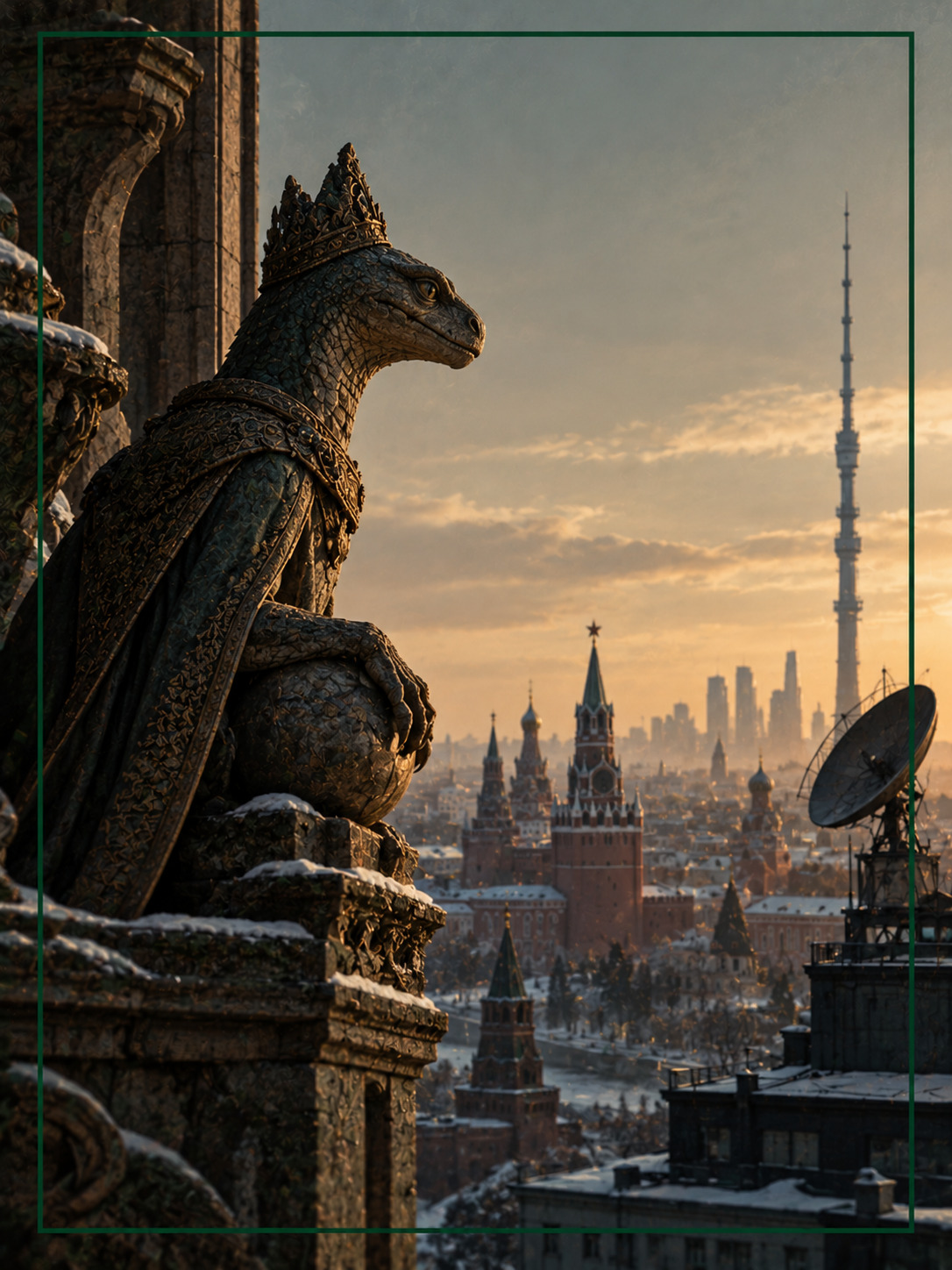
В статье исследуется эволюция образа антропоморфных рептилий в зарубежной и российской медиатрадициях: от архаических мифов и народных сказок до современных конспирологических теорий и репрезентаций этого образа в российской массовой культуре, прежде всего в анимации. Актуальность работы обусловлена недостаточной изученностью мифа о рептилоидах в отечественном академическом дискурсе, несмотря на широкое распространение этого мифа в медиасреде. Исследование опирается на медиологическую теорию Режи Дебре, в рамках которой медиа трактуются как материальные и символические посредники, обеспечивающие долговечность культурных форм. В рамках данной парадигмы сказка и мультсериал анализируются как равнозначные медиа, транслирующие комплексы коллективных представлений и ценностей. Основной вывод статьи состоит в том, что древний мифологический образ перерабатывается современными медиа для решения актуальных идеологических задач. Цель исследования — проследить эволюцию и выявить механизмы трансформации архаического мифологического образа антропоморфных рептилий в российском медиапространстве: от народных сказок до современных конспирологических сюжетов в анимации. Статья адресована специалистам по медиаисследованиям и мифологии, культурологам, философам, историкам, политологам, социологам, психологам, социальным архитекторам и производителям медиаконтента.
Библиографические ссылки
Anshu. (2023). Recontextualizing the Narratives: Exploring Oppression and Genocides in the Mahabharata. The Creative Launcher, 8(4), 13–18. https://doi.org/10.53032/tcl.2023.8.4.02
Afanasyev, A. N. (1985). Russian Folk Tales (Vol. 2). Nauka. (In Russian).
Baranov, D. A., & Madlevskaya, E. L. (1999). The Image of the Frog in Embroidery and Mythopoetic Representations of the Slavs. In Woman and the Material World of the Culture of the Peoples of Europe and Russia (pp. 111–130). Peterburgskoe Vostokovedenie. (In Russian).
Barkun, M. (2013). A Culture of Conspiracy: Apocalyptic Visions in Contemporary America. University of California Press.
Bazhov, P. P. (1970). Ural Tales. Detskaya literatura. (In Russian).
Chulkov, M. (1786). An Abevega of Russian Superstitions, Idolatrous Sacrifices, Common Wedding Rites, Witchcraft, Shamanism, etc. Tipografiia u soderzhatelia F. Gippiusa. (In Russian).
Debray, R. (2009). Introduction to Mediology. Praksis. (In Russian).
Dobrynya and the Serpent. (1969). Detskaya literatura. (In Russian).
Douglas, K. M., Sutton, R. M., & Cichocka, A. (2017). The Psychology of Conspiracy Theories. Current Directions in Psychological Science, 26(6), 538–542. https://doi.org/10.1177/0963721417718261
Franz, M.-L. (2004). The Psychology of Fairy Tales: The Interpretation of Fairy Tales. B.S.K. (In Russian).
Herodotus. (2008). The Histories. Eksmo; Midgard. (In Russian).
Icke, D. (1999). The Biggest Secret: The Book That Will Change the World. David Icke Books.
Icke, D. (2001). Children of the Matrix. Bridge of Love Publications.
Jung, C. G. (1997). Psychology and Alchemy. REFL-buk; Vakler. (In Russian).
Kolosova, I. V. (2016). New Religious Movements in Russia and the CIS. Obozrevatel-Observer, (11), 19‑35. (In Russian).
Lewis, T., & Kahn, R. (2005). The Reptoid Hypothesis: Utopian and Dystopian Representational Motifs in David Icke’s Alien Conspiracy Theory. Utopian Studies, 16(1), 45–74. https://doi.org/10.2307/20718709
Malakhov, V. S. (2005). Nationalism as a Political Ideology. KDU; OAO Dom pechati – Vyatka. (In Russian).
Petrosyan, M. S. (2017). The Aztec Myth of the Sun in D. H. Lawrence’s Poetry. Philology. Theory & Practice, 8(1), 29–31. (In Russian).
Petrosyants, D. V. (2025). The Recirculation of Trigger Stories as a Method of Increasing Information Noise. Humanities and Social Sciences. Bulletin of the Financial University, 14(5), 81–89. https://doi.org/10.26794/2226-7867-2024-14-5-81-89 (In Russian).
Petrov, V. P., & Makarevich, M. L. (1963). The Scythian Genealogical Legend. Soviet Archaeology, (1), 20‑31. (In Russian).
Petukhov, Yu. (1991). Satanic Potion. Metagalaktika. (In Russian).
Petukhov, Yu. (2009). The Origins of the Rus’. Algoritm; Eksmo. (In Russian).
Prilutskiy, A. M. (2024). The Pragmatics of Conspiracy Mythologemes. Pushkin Leningrad State University Journal, (3), 124–135. https://doi.org/10.35231/18186653_2024_3_124 (In Russian).
Propp, V. Ya. (1986). The Historical Roots of the Wonder Tale. Izdatelstvo Leningradskogo universiteta. (In Russian).
Rank, O. (2020). The Myth of the Birth of the Hero. Akademicheskii proekt. (In Russian).
Shizhensky, R. V. (2022). “The Magic Army of Rus’” as an Example of the Paradox of the Neo-Pagan Pseudosimulacrum: Part I. Society: Philosophy, History, Culture, (9), 64–68. https://doi.org/10.24158/fik.2022.9.9 (In Russian).
Shulin, Ch. (2024). The Image of the Dragon in Chinese Culture. Political Linguistics, 1, 206–210. (In Russian).
Sidorova, S. E. (2022). A Serpent-Worshipping People Defending Sacred Relics: Nagpur and the Sacred Geography of Buddhism. Social Sciences and Humanities: Domestic and Foreign Literature. Series 9: Oriental and African Studies, (1), 74–88. https://doi.org/10.31249/RVA/2022.01.04 (In Russian).
Trynkina, D. A. (2013). The Magical Foxes of Japan. Moscow University Bulletin. Series 8: History, (4), 99–116. (In Russian).
Trynkina, D. A. (2014). Finns in the Mythological Tradition of the Peoples of Northern Scotland. Moscow University Bulletin. Series 8: History, (2), 77–98. (In Russian).
Vafin, A. M. (2024). In the Service of Security Agencies: The Ideology of Conservatism in American Mass Culture. Knowledge. Understanding. Skill, (1), 224–229. https://doi.org/10.17805/zpu.2024.1.17 (In Russian).
Vasina, E. V. (2019). V. M. Vasnetsov’s “Poem of Seven Fairy Tales”: Biographical Context and the Formulation of the Problem. Culture and Art, (6), 1–9. https://doi.org/10.7256/2454-0625.2019.6.29880 (In Russian).
Zhuchkova, A. V. (2014). The Image of the Frog as a Symbol of the Hero’s Inner Transformation in Russian and German Folklore. Bulletin of Slavic Cultures, 4, 107–115. (In Russian).

Это произведение доступно по лицензии Creative Commons «Attribution» («Атрибуция») 4.0 Всемирная.
Copyright (c) 2026 Вафин Артур Мансурович